
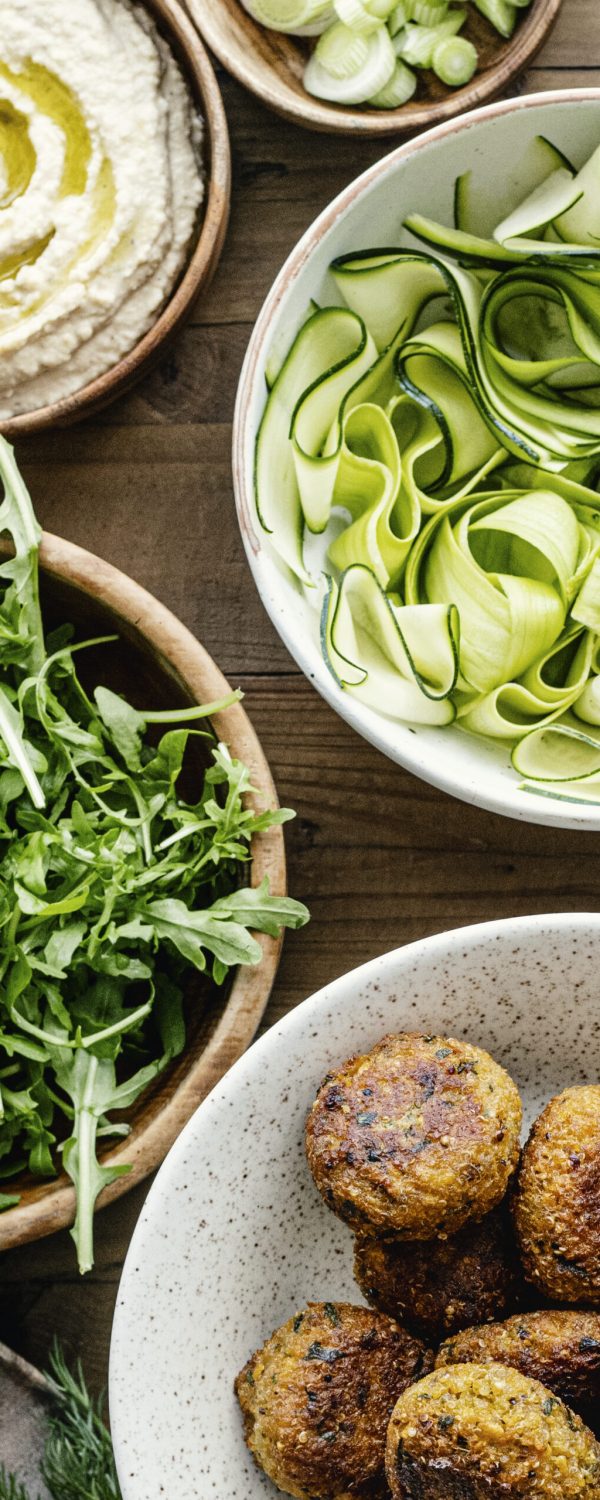
Strength has always been one of humanity’s favorite myths. We glorify it in muscle, competition, and endurance. We associate it with steel, speed, and dominance — as if power can only exist through force. But real strength has never been about resistance; it has always been about harmony. And nowhere is that truth more visible than in the quiet revolution happening on our plates.
To live consciously today is to question what fuels us — not only what feeds the body, but what sustains the spirit. Food is not just nutrition; it’s communication. Every bite is a dialogue with the earth. When we eat, we absorb stories of soil, water, light, and care. In that sense, eating is not merely consumption — it’s participation. A plant-based life invites us into this deeper conversation, one where strength is not extracted but cultivated.
Modern culture often equates power with dominance — over others, over nature, even over our own bodies. We are taught that meat equals energy, that protein equals masculinity, that plants are somehow “less.” Yet science, ethics, and lived experience are all rewriting this narrative. The strongest creatures on the planet — elephants, gorillas, whales — draw their energy entirely from plants. Their might comes not from aggression but from balance.
A plant-based lifestyle isn’t about restriction or morality; it’s about connection. It’s remembering that we are part of an ecosystem, not masters of it. The nutrients that sustain life are born in the soil, shaped by sun and rain, transferred through leaves, roots, seeds, and fruits. When we eat consciously, we align ourselves with that ancient rhythm of reciprocity — taking what we need, giving back through respect.
From a physiological perspective, plants offer what modern bodies desperately need: lightness, fiber, antioxidants, living enzymes, and phytonutrients that reduce inflammation and support longevity. But beyond the science, there’s an energetic shift. Plant-based nourishment carries the frequency of growth, renewal, and regeneration. It feels different — not heavy, not numbing, but quietly empowering. You move through the day not as a machine fueled by calories, but as a living organism charged with vitality.
Transitioning toward plant-based living doesn’t require perfection. It begins with awareness. Maybe it’s replacing one meal a day, maybe it’s choosing local produce, maybe it’s simply pausing before eating to ask: Where did this come from? That single question changes everything. Awareness transforms consumption into communion. Each meal becomes an opportunity to practice gratitude — for the farmer, the seed, the sun, the unseen chain of care that made nourishment possible.
What many people discover on this path is that the more plants they eat, the calmer they become. The nervous system responds to the energy of what it receives. Whole, living foods carry coherence; processed and violent foods carry tension. When we eat harmony, we become harmony. It’s not philosophy — it’s biology. Gut health directly influences mood, immunity, and cognition. The body’s microbiome — trillions of tiny beings — thrives on diversity, fiber, and color. When the gut flourishes, the mind clears. Strength begins inside.
Yet plant-based strength isn’t only physical. It’s emotional and spiritual resilience — the ability to live in alignment with one’s values, to act gently in a culture of excess. It’s the strength to question habits inherited through marketing and myth. It’s the courage to choose empathy in a world that glorifies convenience. This kind of strength is not loud; it doesn’t need to prove itself. It’s the quiet confidence that comes from coherence — from living what you believe.
There’s also a collective dimension. The way we eat shapes the world we live in. Industrial food systems strain the planet’s soil, water, and biodiversity. Shifting toward plants is not just a dietary choice; it’s an act of environmental healing. Each plant-based meal conserves water, reduces emissions, and lessens suffering. The impact seems small at first — one plate, one person — but multiplied by millions of conscious choices, it becomes transformation. Eating becomes activism without anger.
If strength is adaptability, then this is the era to redefine it. True strength is not about taking more, but needing less. It’s about listening to what the body really asks for — clarity, hydration, light — and honoring it. It’s about recognizing that compassion and vitality are not opposites. You can be grounded and gentle, powerful and kind. The modern definition of strength must evolve from domination to stewardship.
From a spiritual lens, food is frequency. The energy of what you eat becomes the energy of your thoughts, your mood, your words. Plants grow toward light; they embody surrender without weakness. When you eat from that source, you internalize that same wisdom. You begin to feel less like a separate consumer and more like a participant in life’s cycle. Strength stops being a personal attribute and becomes a shared vibration — an interconnected vitality.
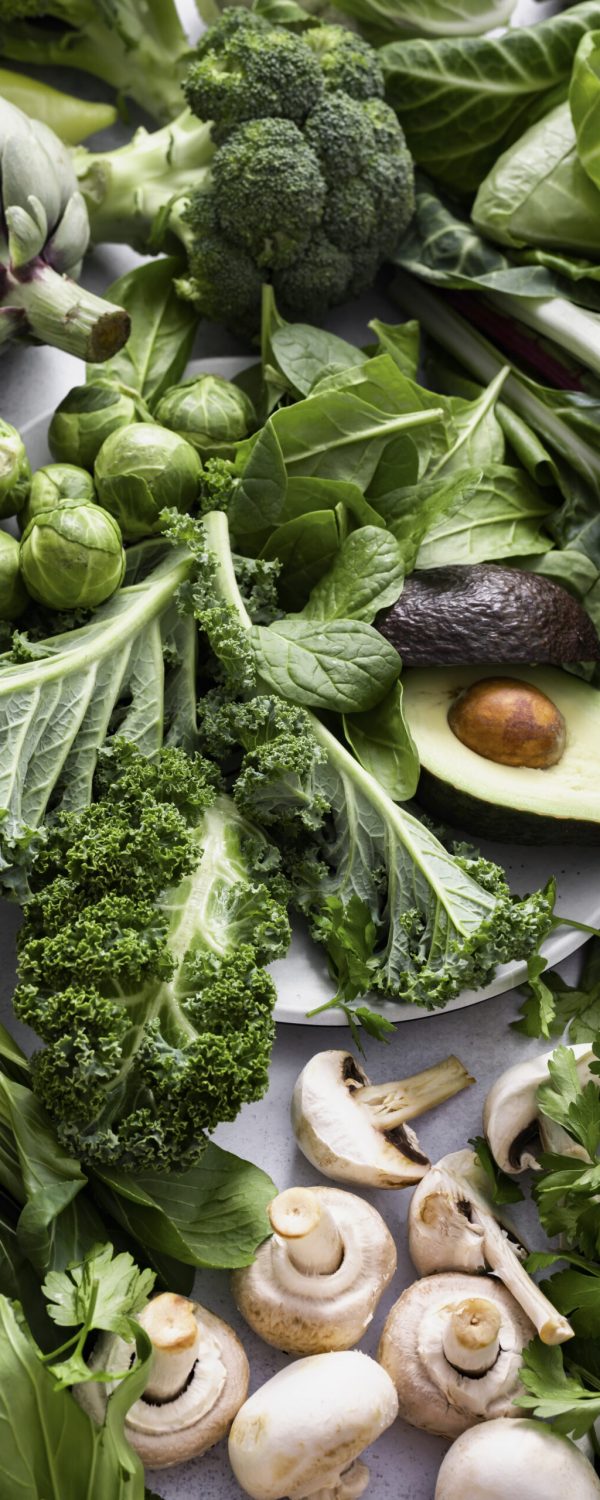
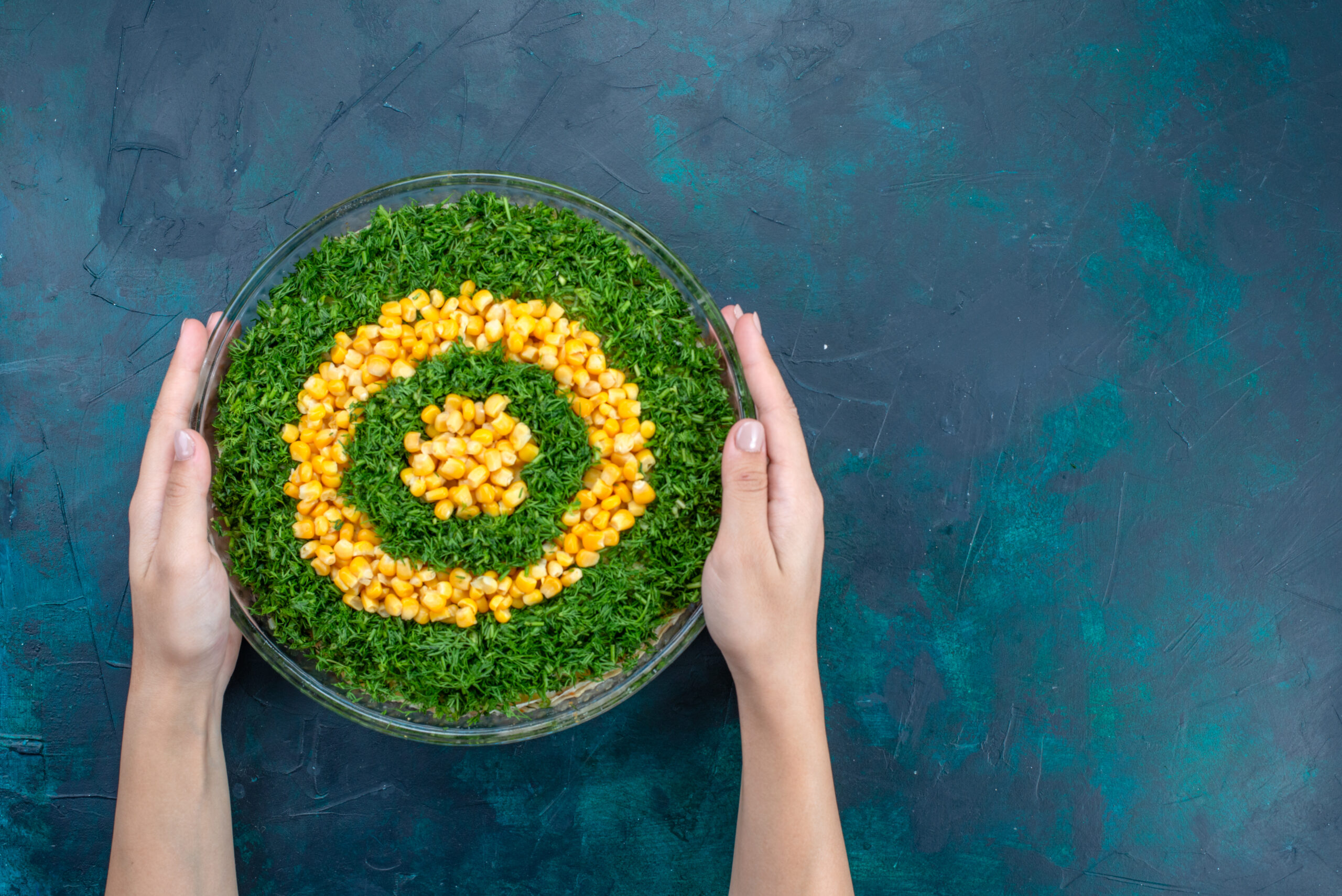
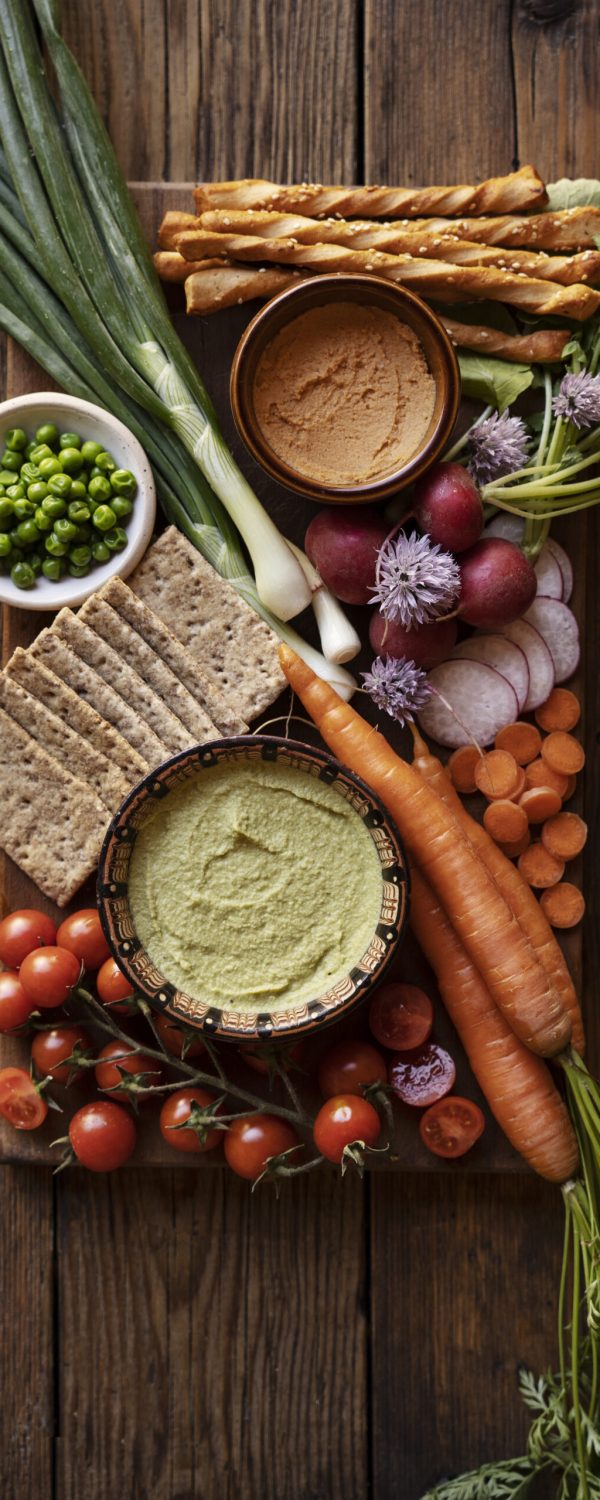
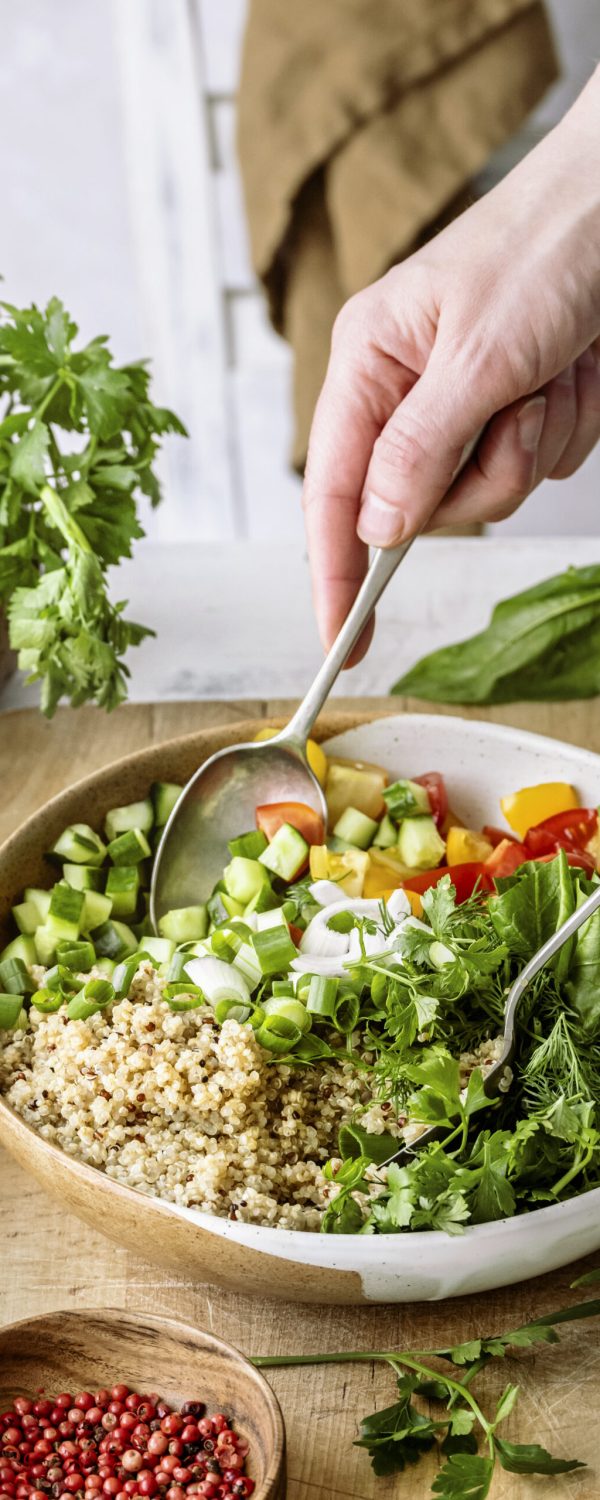
To begin this journey, start with curiosity, not rules. Explore color. Fill your plate like a painter fills a canvas — with greens, oranges, purples, and reds. Let cooking become meditation: washing, chopping, stirring with presence. Smell the herbs, touch the textures, notice the transformation of raw to cooked. Eating this way awakens a sense of reverence. You are no longer rushing through meals; you are participating in creation.
Over time, the transformation becomes holistic. The mind feels lighter, emotions more stable, energy more consistent. You sleep more deeply. Focus sharpens. The body feels supported rather than strained. The breath deepens naturally. The spirit becomes attuned to gratitude. This is not a miracle — it’s the body returning to its natural intelligence once we stop overloading it with confusion.
To live plant-based is not to withdraw from pleasure; it’s to refine it. Flavor becomes richer, textures more alive, satisfaction more lasting. It teaches that joy does not come from excess, but from awareness. You eat until you feel enough — not too full, not deprived — just balanced. The mind learns the same lesson. You stop needing more to feel whole.
In the end, plant-based strength is a metaphor for conscious living itself. It’s the shift from extraction to regeneration, from noise to nourishment, from control to connection. It reminds us that the true measure of vitality is not how much we can lift, but how deeply we can feel; not how loud we can be, but how gently we can move through the world.
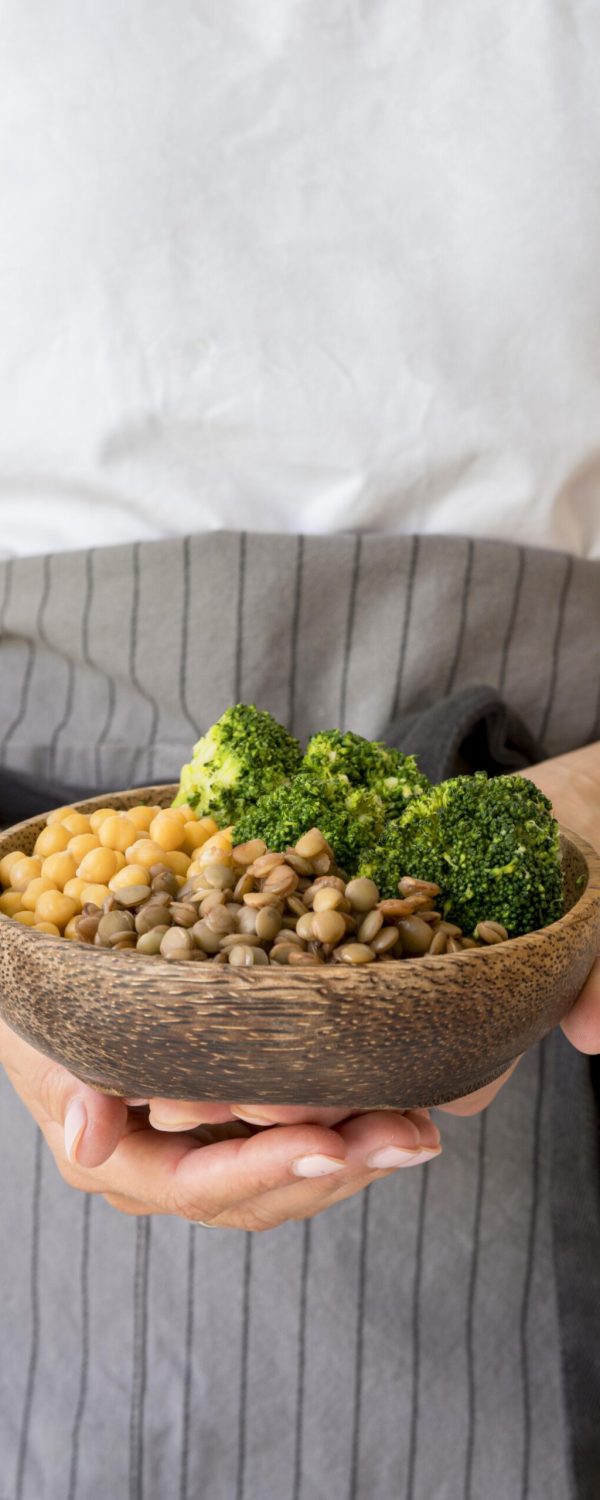
So take a breath. Look at your next meal. See the colors, the origins, the story. What you hold is not just food — it’s sunlight transformed into form, energy waiting to become part of you. To eat with awareness is to live with awareness. To choose compassion is to choose strength.
This is the new power. Rooted, radiant, regenerative.
This is The Conscious Bear.